01 / SPINE HEALTH
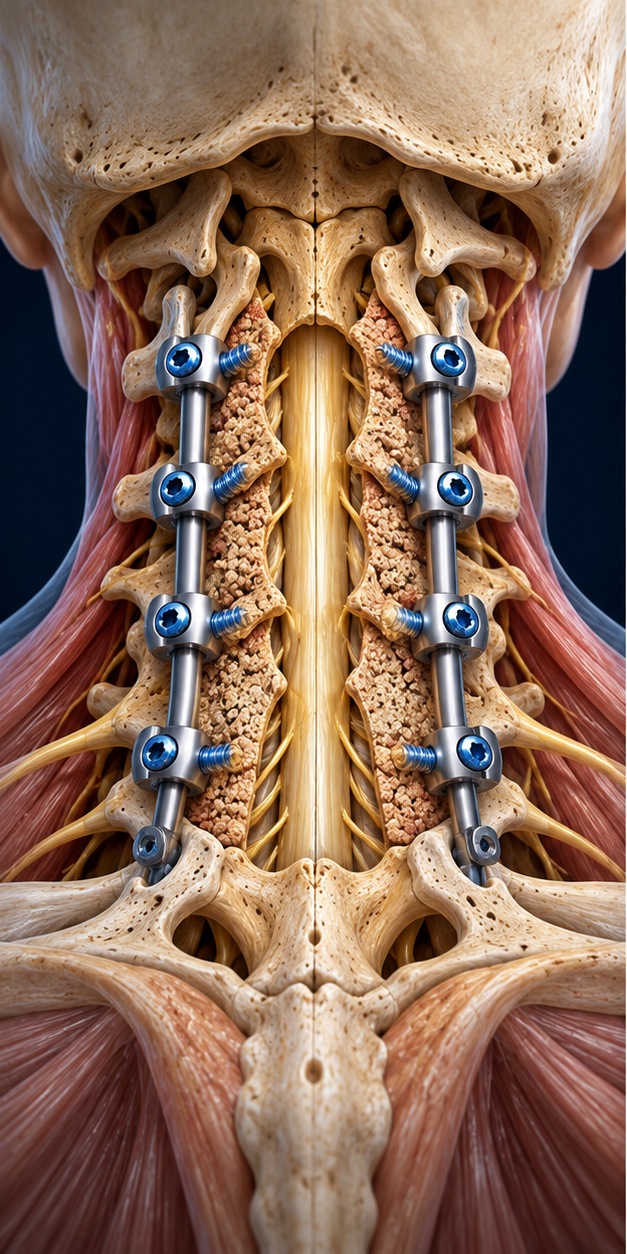
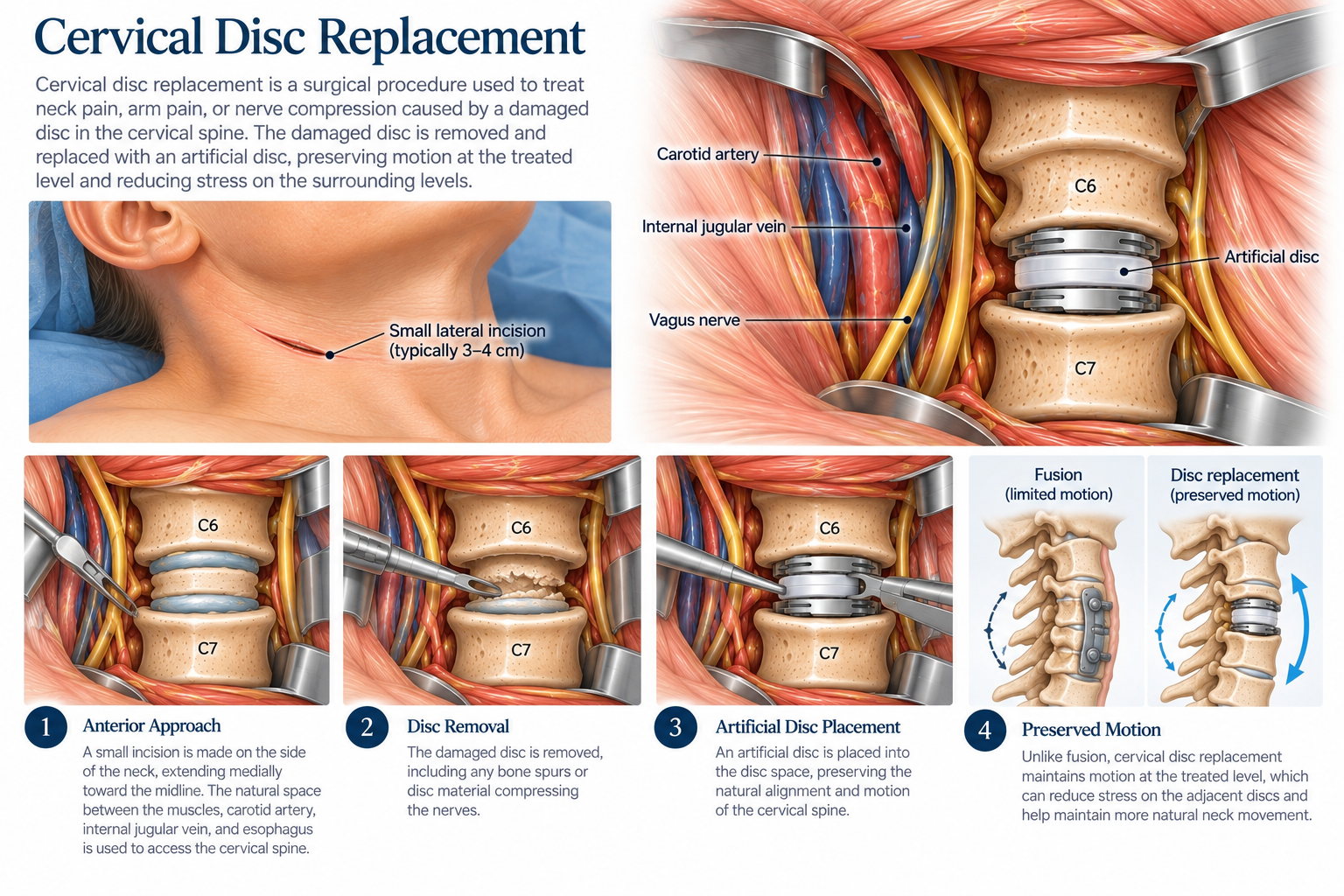
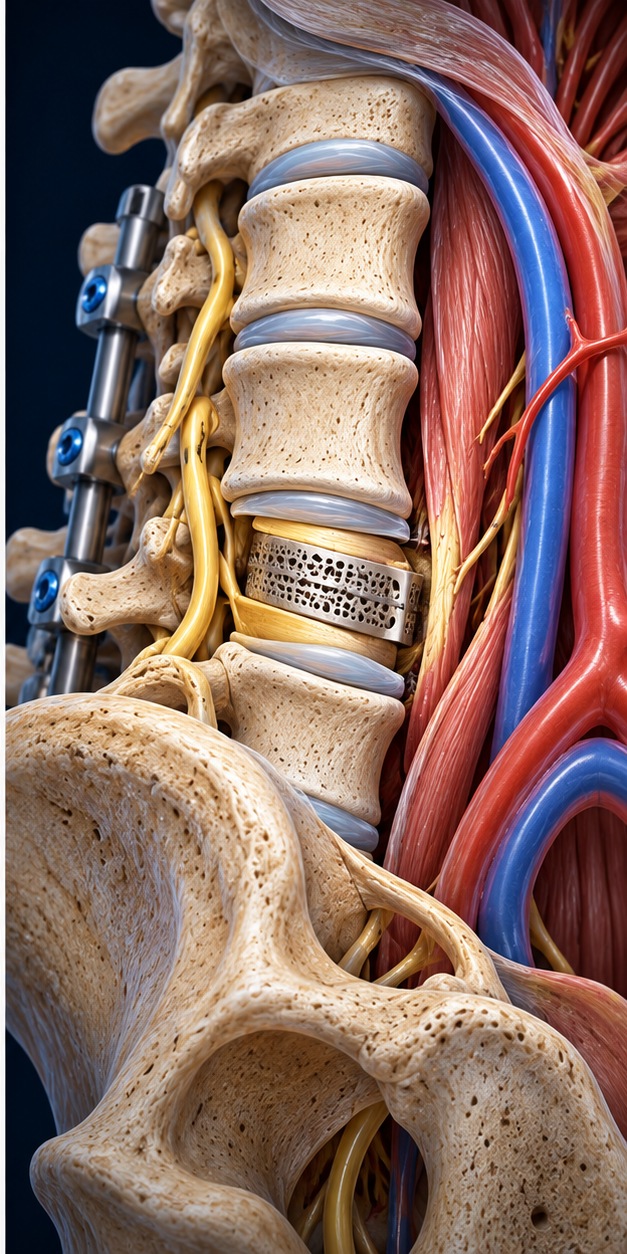
Cervical Disc Disease
Common symptoms: Neck pain and stiffness; pain radiating into the shoulder or arm; tingling, numbness or weakness in an arm or hand. If the spinal cord is compressed, hand clumsiness or balance changes may occur.
02 / SPINE HEALTH
Lumbar Disc Herniation
Common symptoms: Lower back pain; radiating buttock or leg pain (sciatica); tingling, numbness or weakness in the leg or foot. Symptoms may worsen with sitting, bending or coughing.
03 / SPINE HEALTH
Spinal Stenosis
Common symptoms: Lumbar stenosis may cause leg pain, heaviness or numbness when standing or walking, often relieved by sitting or bending forward. Cervical stenosis may cause arm symptoms, hand clumsiness or difficulty walking.
04 / SPINE HEALTH
Degenerative Conditions
Common symptoms: Back or neck stiffness, aching and reduced flexibility; sometimes radiating arm or leg symptoms if nerves are compressed. Many age-related changes cause no symptoms.
05 / SPINE HEALTH
Radiculopathy
Common symptoms: Sharp, burning or electric pain radiating into an arm or leg, with possible tingling, numbness or weakness in the distribution of the affected nerve root.
06 / SPINAL CURVATURE
Kyphosis
Common symptoms: Excessive forward rounding of the upper back, visible postural changes, back pain, stiffness or fatigue. Severe deformity can impair standing upright and occasionally breathing or neurologic function.
07 / SPINAL CURVATURE
Scoliosis
Common symptoms: Uneven shoulders or waist, rib prominence, trunk imbalance or back pain. Adults may develop leg pain, numbness or reduced walking tolerance if nerve compression is present; mild curves are often painless.
08 / SPINE HEALTH
Evaluation & Next Steps
Common symptoms: Persistent or worsening pain, weakness, new sensory symptoms, postural changes, loss of hand dexterity or balance difficulty warrant evaluation.
09 / TREATMENT OPTIONS
Nonoperative Treatment Options
Many spine conditions can initially be managed without surgery. Treatment depends on the diagnosis, symptoms, neurologic examination, and individual goals.
Options may include: Physical therapy and a tailored home exercise program; activity and ergonomic modifications; appropriate anti-inflammatory or other pain medications; supervised strengthening and low-impact activity; weight management and smoking cessation when applicable; and selected image-guided epidural steroid or other targeted injections.
Some patients benefit from multidisciplinary pain management. Injections may provide temporary symptom relief but do not correct structural instability or significant spinal cord compression.
When to reconsider treatment: Persistent disabling symptoms, progressive neurologic deficits, or evidence of spinal cord compression may warrant a surgical evaluation. Sudden bladder or bowel changes, saddle numbness, or rapidly worsening weakness require emergency assessment.
10 / SPINE HEALTH
Intradural Spinal Tumors
Intradural tumors develop within the dura, the protective covering surrounding the spinal cord and nerve roots. Some are intradural-extramedullary (inside the dura but outside the spinal cord), while others are intramedullary (within the spinal cord itself). Tumors may be benign or malignant.
Possible symptoms: Persistent neck or back pain, sometimes worse at night; pain radiating into an arm or leg; numbness or tingling; progressive weakness; changes in balance or walking; hand clumsiness; and, in more severe cases, bowel or bladder dysfunction. Symptoms vary by tumor location and may develop gradually.
Why neurosurgical expertise matters: These tumors may lie directly against the spinal cord, nerve roots, and delicate blood vessels. When surgery is indicated, treatment may involve opening the dura and microsurgical dissection, sometimes with intraoperative neurophysiological monitoring, to remove or reduce the tumor while preserving neurological function. Evaluation by a neurosurgeon experienced in spinal tumor surgery is important; other appropriately trained spine specialists may also participate in care.
Diagnosis and treatment: MRI, often with contrast, is typically used to assess the lesion. Depending on tumor type, size, growth, symptoms, and neurological findings, management may include MRI surveillance, surgery, or selected additional therapies. New bowel or bladder dysfunction or rapidly worsening weakness requires urgent evaluation.
For education only; not a diagnosis or a substitute for professional medical care.